
Every homeowner asks the same question eventually: how many more years do I have before this roof needs to come off? The honest answer depends on what’s actually up there, how it was installed, and how much LA’s sun and wind have had a chance to work on it. Here’s what actually determines a roof’s lifespan, broken down by material, plus the specific signs that tell you when time’s running out.
Asphalt Shingle Roofs: 20 to 25 Years, If They’re Installed Right
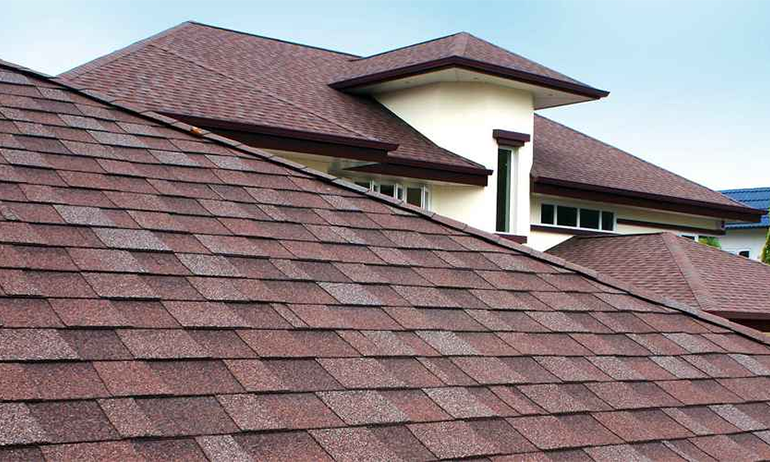
Asphalt shingles are the most common roofing material in the country, and for good reason – they’re affordable and hold up reasonably well. In Southern California, a quality shingle roof typically lasts 20 to 25 years. The bigger factor than the shingles themselves is often ventilation: an attic that can’t breathe traps heat, and that heat bakes the shingles from underneath, cutting years off their life. Watch for granule loss (you’ll see grit collecting in your gutters), shingles that curl at the edges, or bald spots where the surface looks shiny instead of textured. Any one of those means you’re in the last few years of that roof’s usable life.
Tile Roofs: The Tile Outlasts the Roof
This one surprises a lot of homeowners. Clay tile, concrete tile, and Spanish barrel tile can all last 50 years or more – the tile itself is nearly indestructible. But the underlayment beneath the tile, the actual waterproof barrier doing the work, typically wears out after 20 to 30 years regardless of tile type. When a tile roof starts leaking, it’s rarely the tile’s fault. It’s almost always the paper or synthetic underlayment underneath breaking down. That means a tile roof might look pristine from the street while quietly failing underneath. If your tile roof is pushing 25 years old and you haven’t had the underlayment inspected, that’s worth doing before you get a leak instead of after.
Flat and Low-Slope Roofs: 15 to 20 Years, Sun Permitting
Flat roofs (TPO, modified bitumen, or spray foam) generally have the shortest lifespan of the bunch, running 15 to 20 years. Direct UV exposure and standing water are the two things that age these roofs fastest. Ponding water in particular, water that sits for more than 48 hours after rain, breaks down the membrane and works its way toward a leak. If you can see standing water on a flat roof section a couple of days after it rains, that’s a drainage issue worth fixing now, since it will shorten the life of the whole roof if it’s left alone.
What Actually Shortens a Roof’s Life in LA
Material matters, but three other things move the needle just as much: installation quality, attic ventilation, and how quickly small problems get addressed. A roof installed with corners cut, wrong nail pattern, missing flashing, poor ventilation, can fail 10 years early no matter what material is on it. Santa Ana winds are hard on loose or aging shingles and tile, and our summer sun is intense enough that UV exposure alone accounts for a big share of material breakdown. The homeowners who get the most life out of a roof are usually the ones who get small issues (a lifted shingle, a cracked tile, a soft spot on a flat roof) fixed within weeks instead of years.
Signs It’s Time to Call Someone
A few reliable indicators apply no matter what material you have: granule buildup in your gutters, tiles that are cracked, slipped, or missing, daylight visible through the roof deck in your attic, water stains spreading across a ceiling, and energy bills that have crept up without an obvious reason. Any of these on their own is worth a look. More than one at a time usually means the roof is past the point of small repairs.
The Bottom Line
There’s no single answer to how long a roof lasts, because it depends on the material, how it was installed, and how the local climate has treated it since. What we can tell you after inspecting your roof is exactly where it stands and what your realistic options are, repair or full replacement, without guessing. If your roof is somewhere past the 15-year mark, or you’ve noticed any of the warning signs above, it’s worth having a professional take a look before a small problem becomes a big one.